 Chapter 2 of 7 in the DesignWare history thread.
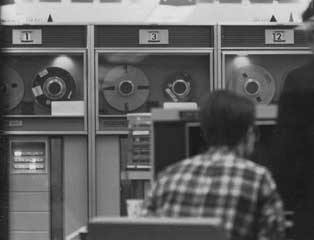
My responsibilities while a graduate student at Northwestern University included a half-time position at the computing center where I was responsible for maintenance of the software side of online access to the supercomputer. And as long as I kept the system running and expanding, I was allowed to do my own investigations into computer-human interaction. A half-time job rapidly became full-time research.
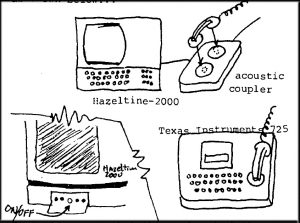
Initially the purpose of the job was to support remote entry of batches of computer-card decks containing programs and data. And remote printing. But it was pretty obvious that another little device that was pretty ubiquitous elsewhere in the world, could be handy in that you could use the “teletype” to connect, via phone, to the same ports on the computer and have a more-or-less two-way interaction with the computer. There were a few universities doing this (for example Dartmouth University) using custom time-sharing software on a central computer. And we wanted to go that way without giving up the research aspects of our supercomputer.
So I developed a way to sandwich in the execution of a program that could interact with a teletype. To make the program small and fast. And then to make a more general purpose language of my own, which I named LINGO, in which I could program these interactions. Question-answer-evaluate-question-answer-etc. So there was presentation logic, and answer evaluation logic, and branching. In the 1950s others had begun working with programmed instruction on computers. I was easily able to implement that on our computer and go well beyond.
Other researchers began using graphic displays. And remote terminals began sporting CRT screens. And becoming easier to put on a desk in a workroom well away from the noise of the computer center. They relaxed and became something you could envision using in your quiet office, or even at home. This shift took place in the early 1970s.
 By 1971 I was on the faculty at Northwestern (after getting a Masters Degree), while still a PhD student, and that’s a fun ‘nother story for some day. I had met Bob Johansen, who was a fellow grad student and liked future studies. We worked together to teach a Seminar in College Teaching with the sponsorship of Dean Claude Mathis. In the seminar we explored with students some possible futures of education, both tech-enabled and not. During that time Bob and I conducted one of the first, if not the first online computer conference outside of government, and what a stellar group of participants we had. This further motivated me in terms of understanding the unrealized potential that computers and terminals had for improving communication among researchers, workers, and probably most other folk.
In the next article, I’ll introduce more about how computer-based education laid the groundwork for what I wanted to do. [Continue forward in time…] [Or return to the start of the story]
 Chapter 1 of 7 in the DesignWare history thread.
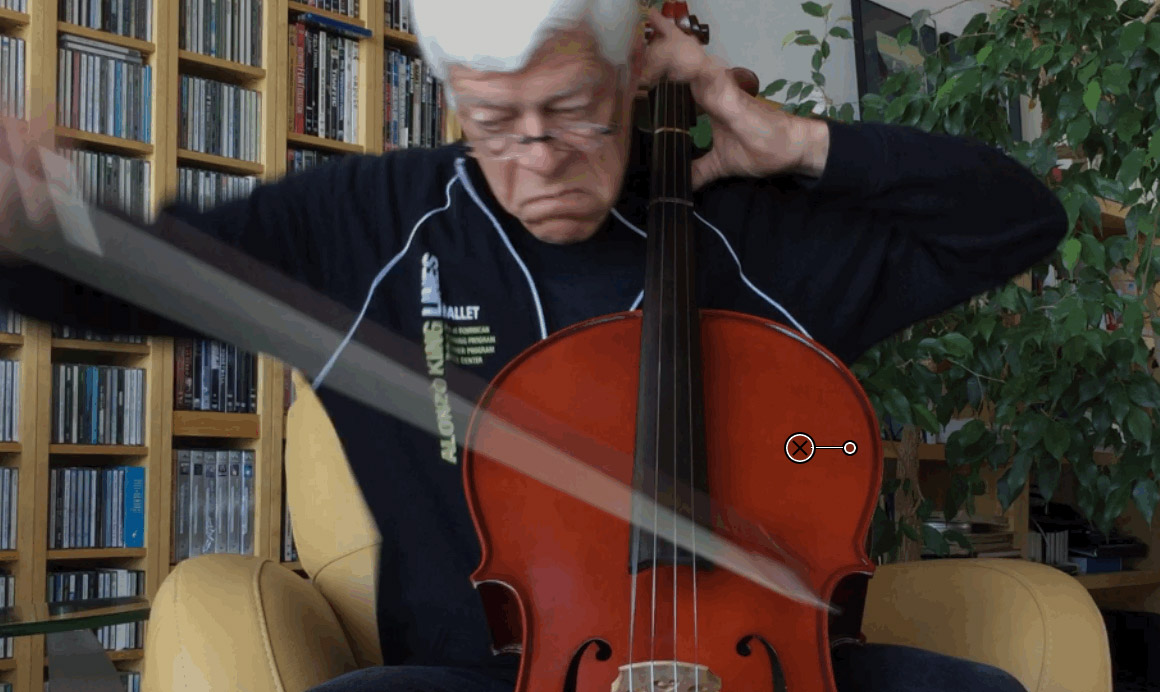 Movin’ right along here. Took my third lesson, end of the second week of learning to play cello. (It’s gotta be a real pain in the neck for my teacher to listen to my attempts.) Maybe he hears the same kind of scratchy tones from the 6-year-old students. But I’m enjoying moving along and have now built up
 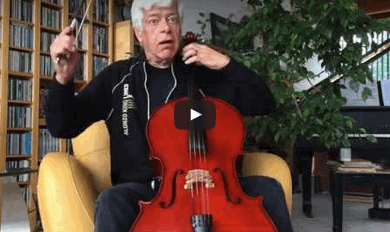 The previous article and video documented my first attempts to use a bow on the cello. Now, a full week later and after taking a couple of lessons, I’m playing a C major scale, some exercise, and doing some fiddling around. As a keyboard player, I find a few things to be challenging.
 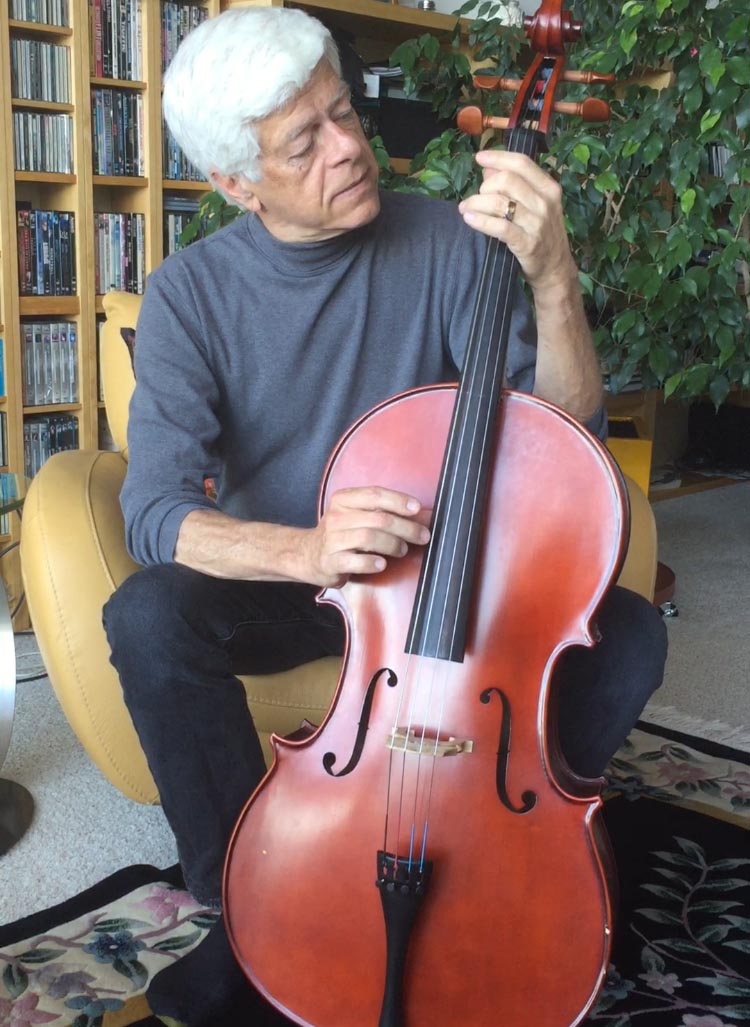 I’m not exactly an A.D.D. poster child. You know that I’m pretty determined to accomplish things I start. But there are times when I try things and then move to something else, leaving a task a bit incomplete. Or I do just enough that it was enjoyable, but not perfect. That doesn’t seem to bother me much. I love the joy of doing something new, and especially something that nobody else has ever done. I’m fine with trying something and leaving it a bit rough around the edges, as long as I learned enough for my own purposes.