 Someone asked today about the meaning of “73” as used by amateur radio operators. It essentially means “Bye” or “Best wishes” and is used when you’re done talking to someone and signing off…as in “I’ll say 73 for now.”
I remembered that 73 was a “message number” as used by amateur operators in the 1950s when I got my license, so I looked further.
I got the lead I needed from SignalHarbor who says that in the April, 1935 issue of QST magazine, on page 60, there is an article “On the Origin of 73” — and that is correct! I looked it up (ARRL members can read old QST issues online). They quote from “Telegraph and Telephone Age” 1 June, 1934 (which I could not find), and list the following message numbers:
- 1- Wait a minute
- 4- Where shall I start in message?
- 5- Have you anything for me?
- 9- Attention, or clear the wire
- 13- I do not understand
- 22- Love and kisses
- 25- Busy on another circuit
- 30- Finished, the end
- 73- My compliments or Best regards
- 92- Deliver
“It appears … that in 1859 the telegraph people held a convention, and one of its features was a discussion as to the saving of ‘line time.’ A committee was appointed to devise a code to reduce standard expressions to symbols or figures. The committee worked out a figure code, from figure 1 to 92. … ”
And, of course, “30” is used by lots of people, including newspaper writers at the ends of their stories. Since stories were originally wired or telegraphed, this usage of “30” makes a lot of sense.
So where does “86” come from then? One of my favorites, but it’s not a telegrapher’s message. Google it and see which theory you believe. It clearly means “removed from circulation” or “ended” but the theories of its origin are interesting and inconclusive in my opinion.
 Merce Cunningham, who performed a revolutionary role in modern dance (not really my thing, but interesting), was interviewed by
 Geekiest of the geeks — amateur radio operators! (AKA “Hams”)
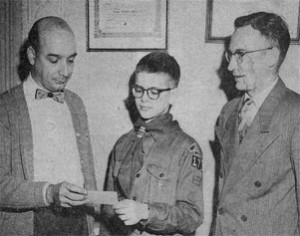 As a geeky little introverted kid, amateur radio was not really my thing, though morse code (CW) was kind of neat and a fun challenge. It also meant I didn’t have to think of much to say. I never was much for small talk.
 For almost two months I’ve been quite aware of how the US Congress wants to impose their will on the Internet as a whole. Aw, comeon—e
 The SOPA and PIPA bills being considered in the US Congress allow blocking of domain names by someone who simply makes a complaint. Technically they apply only to non-US-hosted web sites that are pirating digital content, but once the “machinery” is in place, they could be used to block any domain whatsoever, and without due (legal) process. And also, technically, the only person who can complain and get a domain blocked is a digital (music, text, art) rights owner, but in practice this will be almost impossible to enforce.